Mainland Title
电机工程学系
1703A
Local Places :
163 (For First Year and Advanced Standing I Entries)*
Non-Local Places
(All CityUHK programmes except Mainland Gaokao):
Around 500
B.Tech, M. Tech (E & ECE) I.I.T Kharagpur, M.S. (Math), Ph.D. (ECE) GaTech, SMIEEE
+852 3442 6077 (Phone)
+852 3442 0562 (Fax)
* for JUPAS and non-JUPAS admissions
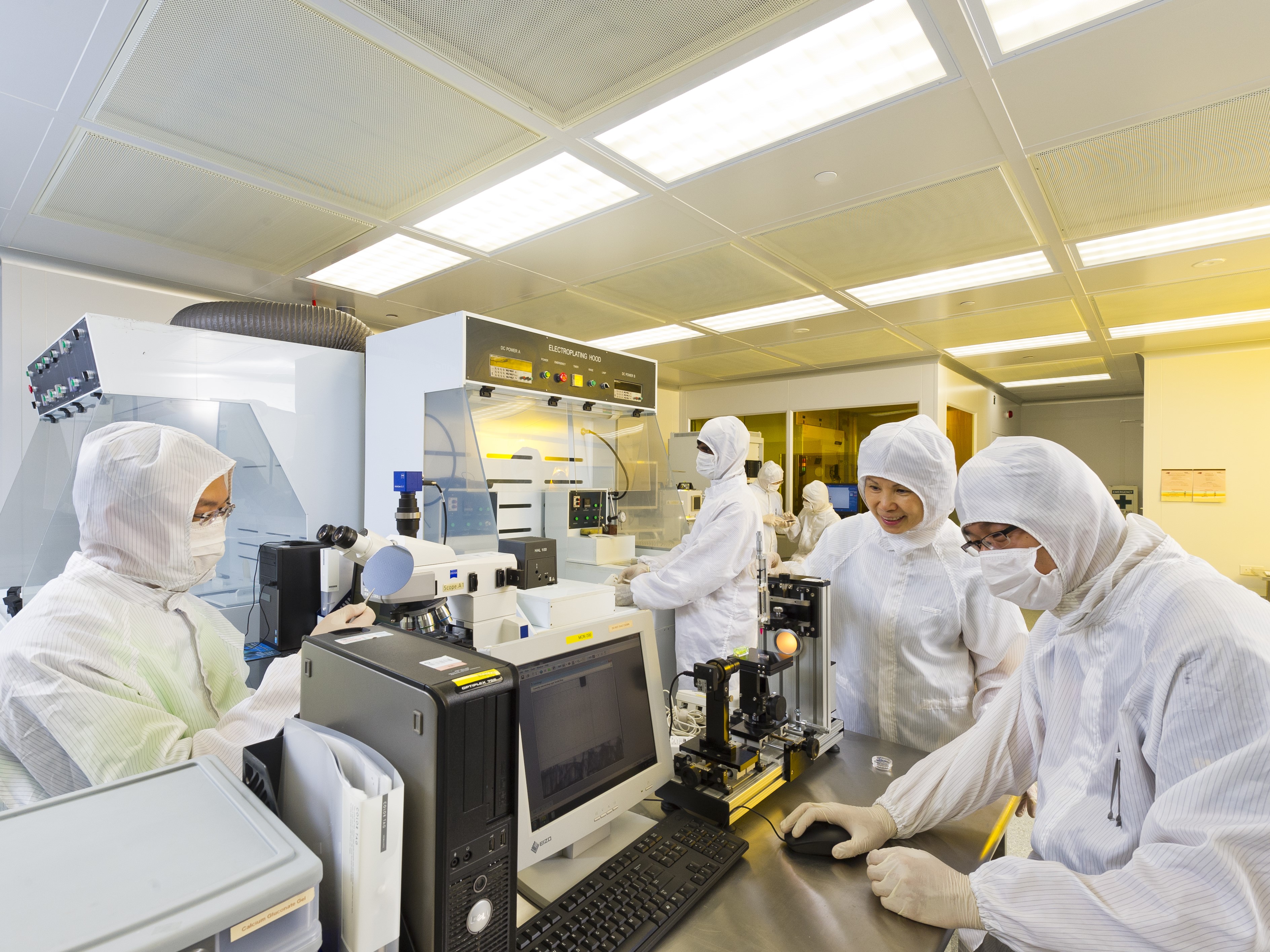
We live in an increasingly connected and smart world – the main driver for this growth is innovations in microelectronics engineering that produce high-performance and low-energy integrated circuits (IC) and sensing devices. ICs are found in every aspect of our daily lives starting from mobile phones and computers to automobiles and refrigerators. Many novel applications get enabled by ICs such as smart medical devices like pacemakers for the heart or deep brain stimulators for Parkinson’s disease or graphics processing units to drive a revolution in artificial intelligence research. If you are excited by these topics and want to learn about cutting-edge IC technologies, then you are at the right place!
The aim of the Microelectronics engineering major is to provide students with sound knowledge of the fundamental principles involved in the design and fabrication of integrated circuits (ICs), and a comprehensive understanding of electronics and information technologies. The curriculum includes application-specific IC (ASIC) design for novel applications, nanotechnologies for high-performance devices and microsystems, new designs and materials for ICs, wireless and optical communications, and embedded system design.
Upon completion of the major, students will be sufficiently prepared for employment in various sectors of the electronics industry, and well equipped with fundamental knowledge for pursuing postgraduate studies. In Hong Kong, companies headquartered in Hong Kong Science Park including Huawei, AMASIC, UMEC, REDISH, Infineon, and Solomon Systech have hired many engineers in different areas of microelectronics. There is also a huge demand for engineers skilled in all aspects of semiconductors in the Greater Bay Area as well as globally making this major very timely.
Entrance Requirements for Direct/Non-JUPAS Applicants
To be considered for admission, you must satisfy the General Entrance Requirements and have studied an engineering-related or a science-related discipline at a high school or post-secondary institution.
For details of the programme curriculum structure, please visit the ‘Undergraduate Catalogue’.
The aim of this major is to provide students with sound knowledge of the fundamental principles involved in the design and fabrication of integrated circuits (ICs), and a comprehensive understanding of electronics and information technologies. The curriculum includes application specific IC (ASIC) design for novel applications, nanotechnologies for high-performance devices and microsystems, new designs and materials for ICs, digital processor, system-on-chip, wireless and optical communications, and embedded system design. Upon completion of the major, students will be sufficiently prepared for employment in various sectors of the microelectronics and electronics industry, and well equipped with fundamental knowledge for pursuing postgraduate studies.
工學士(微電子工程學課程為學生提供有關集成電路(IC)設計和製造的基本原理,以及對電子和信息技術的全面理解。課程包括特定應用積體電路(ASIC) 設計、用於高性能設備和微系統的納米技術、用於IC的新設計和材料、數字電路處理器、單晶片系統、無線及光學通訊,以及嵌入式系統設計。完成專業後,學生將為微電子和電子行業各個領域的就業做好充分的準備,並具備攻讀研究生的基礎知識。
The first year of this major includes basic courses in mathematics, physics, electronics, and computing, with hands-on experience in electronics circuits and computer programming.
Core subjects include Engineering Mathematics, Computer Programming, Logic Circuit Design, Electronic Devices and Circuits, Microcomputer Systems, Semiconductor Materials and Devices, Applied Electromagnetics, Embedded System Design, Applied Optoelectronic Devices, VLSI Circuit Design, and Microsystems and Nanotechnology.
The technical electives in the final stage of the major cover specialized subject areas, such as integrated photonics, microelectronics manufacturing, real-time embedded systems, and advanced ICs.
The job opportunity for IC engineers will be strong and will be on a steady growth. Artificial intelligence and 5G technology promise to deliver some of the most exciting challenges on engineering opportunities since the past two decades. Sophisticated and versatile ICs have made commercialization of these technologies possible. The industries have experienced a strong demand on IC design/manufacturing engineers in recent years. But companies globally and locally in Hong Kong are struggling to find enough talent. Locally in Hong Kong, the talent shortfall stems from the severe shortage in training IC engineers in the undergraduate level.
In Hong Kong, companies headquartered in Hong Kong Science Park including Huawei, AMASIC, UMEC, REDISH, Infineon, and Solomon Systech are the major players of IC design and technology. They all together have hired over one thousand IC engineers focusing on different areas. Jobs and demands from these international players are increasing because of the strong global market and the technological hub in the Greater Bay area. Across the border in Shenzhen, there are also huge demand on well-trained IC engineers.
Placement Schemes
The Department collaborates with industry to provide real-world experience through:
These opportunities ensure students gain practical skills and industry exposure before graduation.
International Exchange and Summer Exchange Programme
To boost global competitiveness, the Department has facilitated student exchanges with top universities in countries such as Australia, Canada, Germany, Japan, and the USA. Since 2015, approximately 380 students have participated in semester-long and summer exchange programmes, although opportunities were impacted by COVID-19 in certain years.
Student Learning Support Scheme
The Student Tutoring Scheme fosters a supportive learning environment. Outstanding senior students mentor first- and second-year students, promoting effective study habits and peer collaboration. This initiative has been highly successful in creating a positive learning community.
The Department of Electrical Engineering awards approximately 60 scholarships annually, totaling over HK$1 million, to recognize academic excellence and support student development. For details, visit the Scholarship Page.
CityUHK Electrical Engineering students consistently excel in international, regional, and local competitions, securing top awards in various academic and professional arenas. Learn more about their achievements on the EE Student Achievements Page.
The Department offers four majors: Computer and Data Engineering, Electronic and Electrical Engineering, Information Engineering, and Microelectronics Engineering. All established majors are accredited by the The Department offers four majors: Computer and Data Engineering, Electronic and Electrical Engineering, Information Engineering, and Microelectronics Engineering. All established majors are accredited by The Department offers four majors: Computer and Data Engineering, Electronic and Electrical Engineering, Information Engineering, and Microelectronics Engineering. All established majors are accredited by the Hong Kong Institution of Engineers (HKIE), with the Microelectronics Engineering curriculum designed for accreditation in 2025.
Under the Washington Accord, graduates receive reciprocal recognition from equivalent bodies in countries including Australia, Bangladesh, Canada, China, Chinese Taipei, Costa Rica, Hong Kong-China, India, Indonesia, Ireland, Japan, Korea, Malaysia, Mexico, New Zealand, Pakistan, Peru, Philippines, Russia, Singapore, South Africa, Sri Lanka, Turkey, the UK and the US, enhancing global career mobility.
+852 3442 7971 (Phone)
+852 3442 0562 (Fax)
Not Required
1597A
Local Places :
163 (For First-Year and Advanced Standing I Entries)*
Non-Local Places
(All CityUHK programmes except Mainland Gaokao):
Around 500
B.Sc., M.Phil., Ph.D. CUHK, MIEEE
+852 3442 7378 (Phone)
+852 3442 0562 (Fax)
* for JUPAS and non-JUPAS admissions
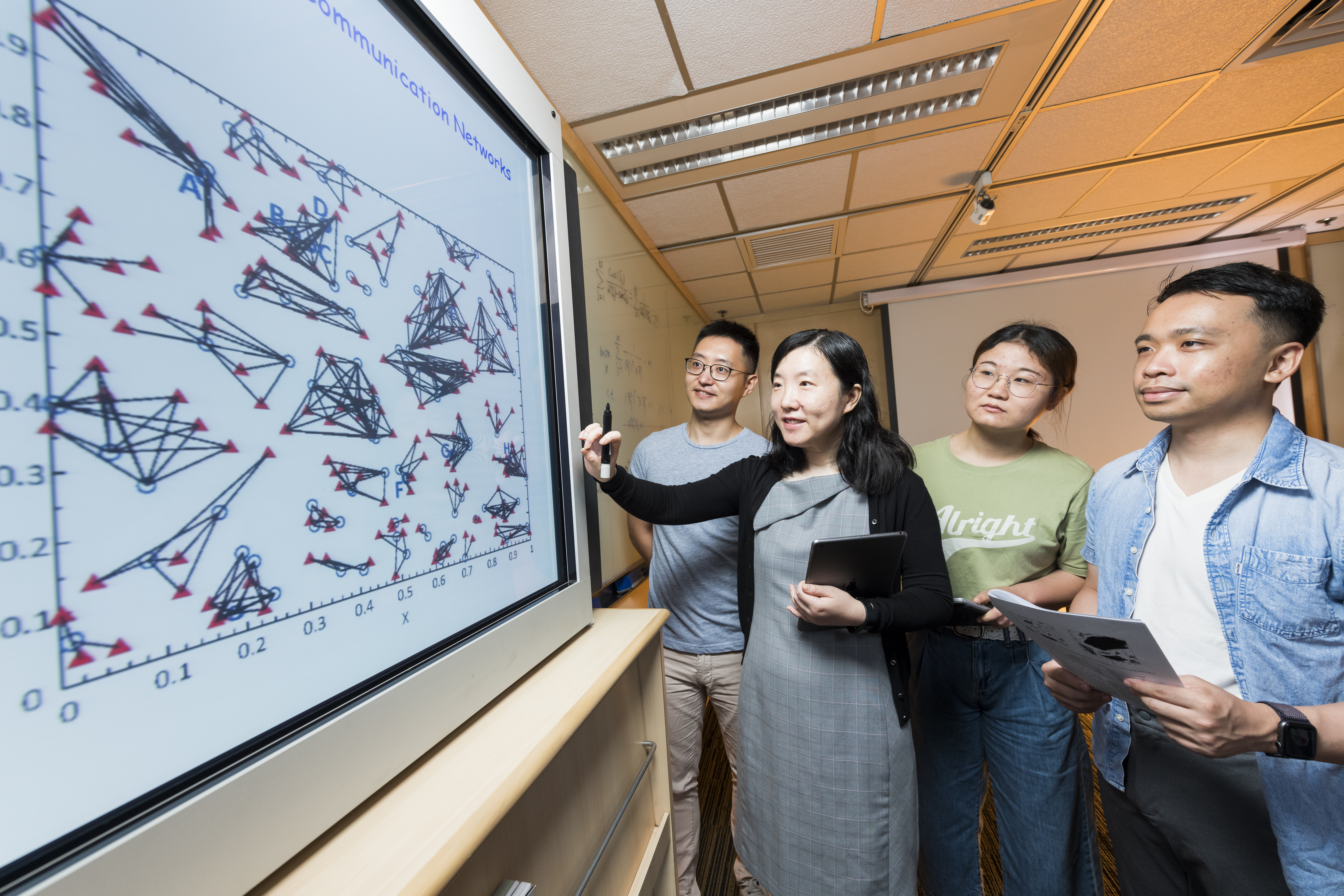
Information engineering is an interdisciplinary subject that brings together knowledge and techniques from computer science, electrical engineering, and communication theory to design and develop systems that can efficiently and effectively process, transmit, and store information. Nowadays, the demand for professionals with expertise in information engineering is higher than ever. By studying information engineering, you can develop the knowledge and skills required to design and develop systems that can handle the massive amounts of data generated by our increasingly connected world.
Information engineering involves several areas: networking, communications, cybersecurity, artificial intelligence (AI), multimedia, and algorithms and optimization.
Networking and communications deal with the design and optimization of communication systems. Understanding the principles behind networking and communications is essential for developing systems that can effectively handle large amount of data.
Cybersecurity deals with securing and protecting information systems from unauthorized access. With the increasing threat of cyber attacks, cybersecurity has become a critical area of concern for organizations and governments around the world.
AI is a rapidly evolving field that relies heavily on information engineering. AI algorithms are designed to process vast amounts of data and extract meaningful insights. Learning how to design and implement these algorithms requires a strong foundation in information engineering principles, including data structures, algorithms, and multimedia techniques. Multimedia involves analyzing and manipulating signals, such as sound or images, to extract useful information. This information can be used in a variety of applications, such as speech recognition, audio and video processing, robotics, and computer games.
In the aforementioned areas, many problems can be formulated optimization problems. Hence we need to design and implement cost-effective steps (algorithms) to solve the problems.
Career opportunities: Information engineering is a rapidly growing field, and there is a high demand for professionals with expertise in this area. Studying information engineering can open up a range of career opportunities in areas such as software engineering, data analysis, networking and telecommunication, cybersecurity, multimedia, and AI.
Entrance Requirements for Direct/Non-JUPAS Applicants
To be considered for admission, you must satisfy the General Entrance Requirements and have studied an engineering-related or a science-related discipline at a high school or post-secondary institution.
For details of the programme curriculum structure, please visit the ‘Undergraduate Catalogue’.
This major aims to equip students a balanced understanding of the theory and applications of information engineering, which encompasses networking and communications, algorithms and optimization, cybersecurity, artificial intelligence, and signal processing. It offers all-round education, which nurtures independent thinking, creativity, and various soft skills. Upon completion of the major, graduates will be sufficiently prepared for further studies or employment in a wide range of economic sectors, mainly technology, but also business, banking, finance and trading in Hong Kong and the Asia-Pacific region.
資訊工程學工學士課程目標:培育專業資訊工程師,教授電腦及資訊科技知識,重點有網絡及通訊、算法及優化、網絡安全、人工智能、及訊號處理。
This major focuses on five areas: Networking and Communications, Algorithms and Optimization, Cybersecurity, Artificial Intelligence, and Signal Processing.
Core courses include: Engineering Mathematics, Logic Circuits, Computer Programming, Java Programming and Applications, Data Structures and Algorithms, Microcomputer Systems, Signals and Systems, Optimization Methods for Engineering, Operating Systems, Database Systems, Data Communications and Networking, Internet Technology, Principles of Communications, Product Design, and Project.
In the final year, students may specialize in different areas of interest in preparation for their future careers and enjoy considerable flexibility through the selection of elective courses on topics such as advanced networking technologies, cloud computing, artificial intelligence, and cybersecurity.
Information Technology is amongst the areas that the Hong Kong SAR Government has identified for focused support, with manpower projections showing this technology sector to have the fastest growth. Even in the banking, finance, business services, trading, legal and public administration sectors, personnel with a solid background in technology are in great demand in this increasingly complex technological age.
Placement Schemes
The Department collaborates with industry to provide real-world experience through:
These opportunities ensure students gain practical skills and industry exposure before graduation.
International Exchange and Summer Exchange Programme
To boost global competitiveness, the Department has facilitated student exchanges with top universities in countries such as Australia, Canada, Germany, Japan, and the USA. Since 2015, approximately 380 students have participated in semester-long and summer exchange programmes, although opportunities were impacted by COVID-19 in certain years.
Student Learning Support Scheme
The Student Tutoring Scheme fosters a supportive learning environment. Outstanding senior students mentor first- and second-year students, promoting effective study habits and peer collaboration. This initiative has been highly successful in creating a positive learning community.
The Department of Electrical Engineering awards approximately 60 scholarships annually, totaling over HK$1 million, to recognize academic excellence and support student development. For details, visit the Scholarship Page.
CityUHK Electrical Engineering students consistently excel in international, regional, and local competitions, securing top awards in various academic and professional arenas. Learn more about their achievements on the EE Student Achievements Page.
The Department offers four majors: Computer and Data Engineering, Electronic and Electrical Engineering, Information Engineering, and Microelectronics Engineering. All established majors are accredited by the Hong Kong Institution of Engineers (HKIE), with the Microelectronics Engineering curriculum designed for accreditation in 2025.
Under the Washington Accord, graduates receive reciprocal recognition from equivalent bodies in countries including Australia, Bangladesh, Canada, China, Chinese Taipei, Costa Rica, Hong Kong-China, India, Indonesia, Ireland, Japan, Korea, Malaysia, Mexico, New Zealand, Pakistan, Peru, Philippines, Russia, Singapore, South Africa, Sri Lanka, Turkey, the UK and the US, enhancing global career mobility.
+852 3442 7139 (Phone)
+852 3442 0562 (Fax)
eebeinfe@cityu.edu.hk
Not Required
1585A
Local Places:
163 (For First Year and Advanced Standing I Entries)* and
9 (For Senior Year Entry)
Non-Local Places
(All CityUHK programmes except Mainland Gaokao):
Around 500
M.Sc. Essex, Ph.D. CUHK, MIEEE, Optica Member (formerly MOSA)
+852 3442 8444 (Phone)
+852 3442 0562 (Fax)
* for JUPAS and non-JUPAS admissions
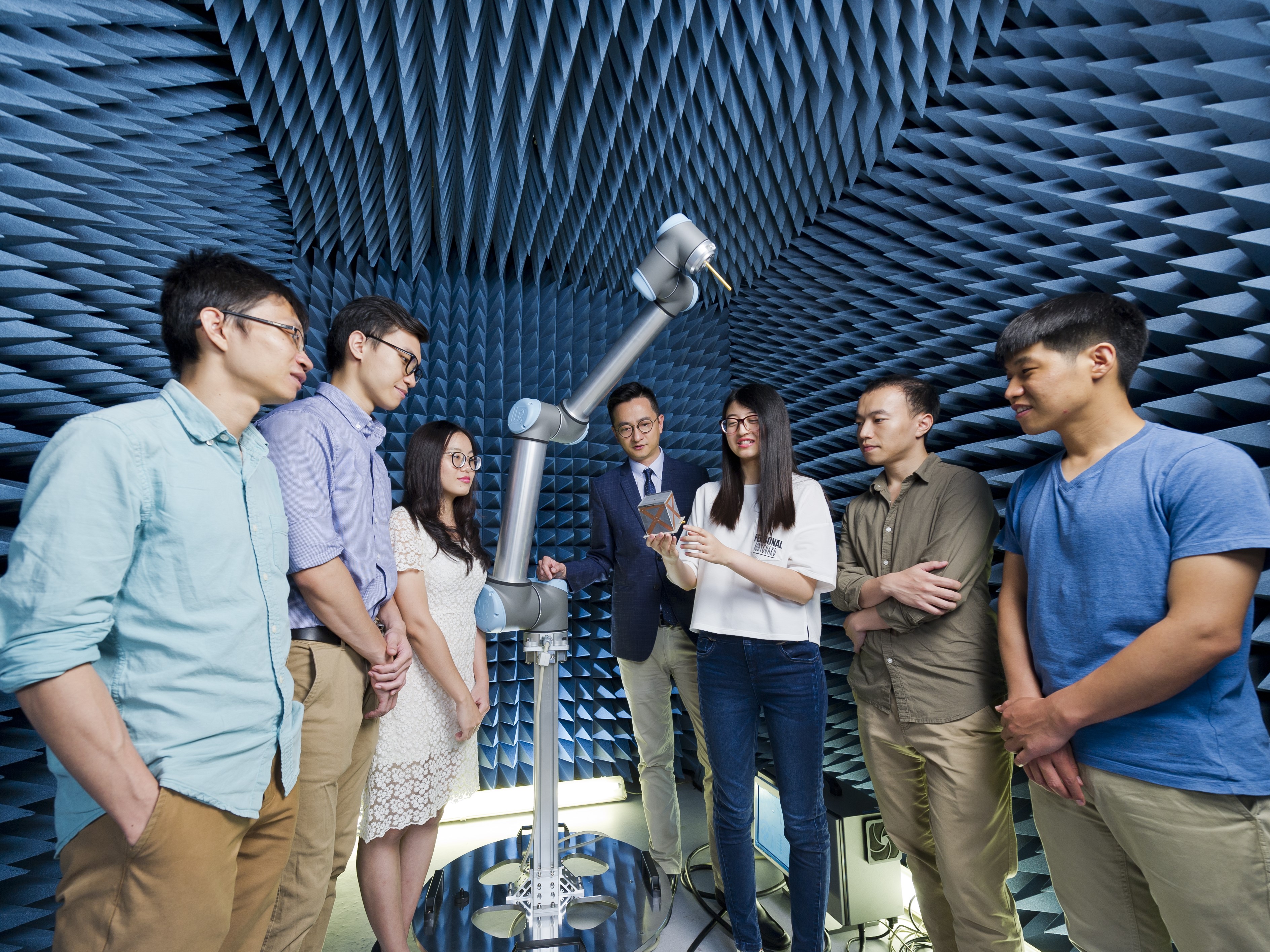
The BEng Electronic and Electrical Engineering programme at City University of Hong Kong offers a comprehensive education in the latest developments of the field. Led by expert faculty, our hands-on programme covers topics such as wireless communications and data technology; microwave, terahertz and optical technologies; photonic, electronic and sensor devices; and smart control and electrical power systems.
The programme provides students with a solid foundation in electronic and electrical engineering fundamentals while exposing them to the latest trends and developments. This prepares students for success in a rapidly evolving industry.
Graduates have a wide range of career opportunities: they can work in telecommunications, circuits and devices, energy and power, robotics, signal processing, designing and developing advanced electronic systems, and engaging in cutting-edge research projects. Others may choose to pursue higher degrees.
Entrance Requirements for Direct/Non-JUPAS Applicants
To be considered for admission, you must satisfy the General Entrance Requirements and have studied an engineering-related or a science-related discipline at a high school or post-secondary institution.
For senior-year (Advanced Standing II) admission, applicants are normally expected to have completed an Associate Degree/Higher Diploma with a cumulative grade point average (CGPA) of ≥3.0 or an equivalent overall mark, or a credit award in an engineering-related or science-related discipline.
For details of the programme curriculum structure, please visit the ‘Undergraduate Catalogue’.
This major aims to provide students with a solid education in advanced electronic and electrical technologies. Students will be exposed to the latest developments in:
1. Wireless communications & data technology
2. Microwave, terahertz & optical technologies
3. Photonic, electronic, & sensor devices
4. Smart control & electrical power systems
5. Bioelectronics & bioinformatics
Our programme will transform students into well-trained professional engineers, ready to thrive in a rapidly changing, knowledge-based economy. Throughout their training, students will be equipped with the skills, vision, and opportunities needed to advance in their career paths.
科技發展一日千里,隨著各類電子產品及機電建設的迅速發展,香港特區政府已將「第五代流動技術」和「智慧城市」定為其中兩個重點支持項目。本課程旨在為電子、通訊、機電及能源工程業培育專業工程師,學生將具備專業技術和視野,並能設計及應用不同電子、通訊、機電及能源系統,迎接新科技帶來的挑戰。內容主要教授電子及通訊科技知識,重點有(1) 無線通訊及數據技術;(2) 微波,太赫兹與光學科技;(3) 光電子及電子器件、感應器;(4) 智能管理及電機能源系統;及 (5) 生物電子及生物信息技術。
First-year core courses are introductory courses in electronics and electrical engineering. These courses aim to provide students with a solid background for more advanced courses in later years. They are supplemented with plenty of hands-on experience to teach students concepts and skills in analog circuits, digital circuits, and software programming. Upon completing these basic courses, students will advance to learn more complex subjects in their second and final years.
Core subjects include Principles of Communications, Logic Circuit Design, Electronic Devices and Circuits, Signals and Systems, Microcomputer Systems, Computer Programming, Systems and Control, Introduction to Electric Power Systems, Introduction to Electric Machines and Drives, and Applied Electromagnetics. Most core courses are supported by relevant laboratory work. Additionally, students will participate in a second-year “design project course” that offers opportunities to solve real-life problems and applications in an interdisciplinary and teamwork setting.
In the final year, students will choose technical electives covering various specialized subject areas. Examples include Microwave Circuits for 5G Wireless Product Design, Fundamentals of Antenna Design, Mobile Data Networks, Optical Fibre Communications, Introduction to Integrated Photonics, Sustainable Energy Systems, Engineering Applications of Artificial Intelligence, and Data Engineering and Learning Systems. Students will also work independently on their Final Year Project, solving high-level technological problems. Those who wish to gain work experience before graduation may apply for the Professional Internship Program in their final year.
To maintain Hong Kong's competitiveness, the government has taken steps to boost technology-based, high-value-added services and industries. Electronic and electrical technologies are among the areas identified for focused support. Even in the banking, finance and business sectors, personnel with a solid background in technology are in great demand in this increasingly complex technological age.
Placement Schemes
The Department collaborates with industry to provide real-world experience through:
These opportunities ensure students gain practical skills and industry exposure before graduation.
International Exchange and Summer Exchange Programme
To boost global competitiveness, the Department has facilitated student exchanges with top universities in countries such as Australia, Canada, Germany, Japan, and the USA. Since 2015, approximately 380 students have participated in semester-long and summer exchange programmes, although opportunities were impacted by COVID-19 in certain years.
Student Learning Support Scheme
The Student Tutoring Scheme fosters a supportive learning environment. Outstanding senior students mentor first- and second-year students, promoting effective study habits and peer collaboration. This initiative has been highly successful in creating a positive learning community.
The Department of Electrical Engineering awards approximately 60 scholarships annually, totaling over HK$1 million, to recognize academic excellence and support student development. For details, visit the Scholarship Page.
CityUHK Electrical Engineering students consistently excel in international, regional, and local competitions, securing top awards in various academic and professional arenas. Learn more about their achievements on the EE Student Achievements Page.
The Department offers four majors: Computer and Data Engineering, Electronic and Electrical Engineering, Information Engineering, and Microelectronics Engineering. All established majors are accredited by the Hong Kong Institution of Engineers (HKIE), with the Microelectronics Engineering curriculum designed for accreditation in 2025.
Under the Washington Accord, graduates receive reciprocal recognition from equivalent bodies in countries including Australia, Bangladesh, Canada, China, Chinese Taipei, Costa Rica, Hong Kong-China, India, Indonesia, Ireland, Japan, Korea, Malaysia, Mexico, New Zealand, Pakistan, Peru, Philippines, Russia, Singapore, South Africa, Sri Lanka, Turkey, the UK and the US, enhancing global career mobility.
+852 3442 7773 (Phone)
+852 3442 0562 (Fax)
eebeelel@cityu.edu.hk
Not Required
1573A
Local Places:
163 (For First Year and Advanced Standing I Entries)* and
12 (For Senior Year Entry)
Non-Local Places
(All CityUHK programmes except Mainland Gaokao):
Around 500
BSc, PhD, CityU HK, SMIEEE
+852 3442 7779 (Phone)
+852 3442 0562 (Fax)
* for JUPAS and non-JUPAS admissions
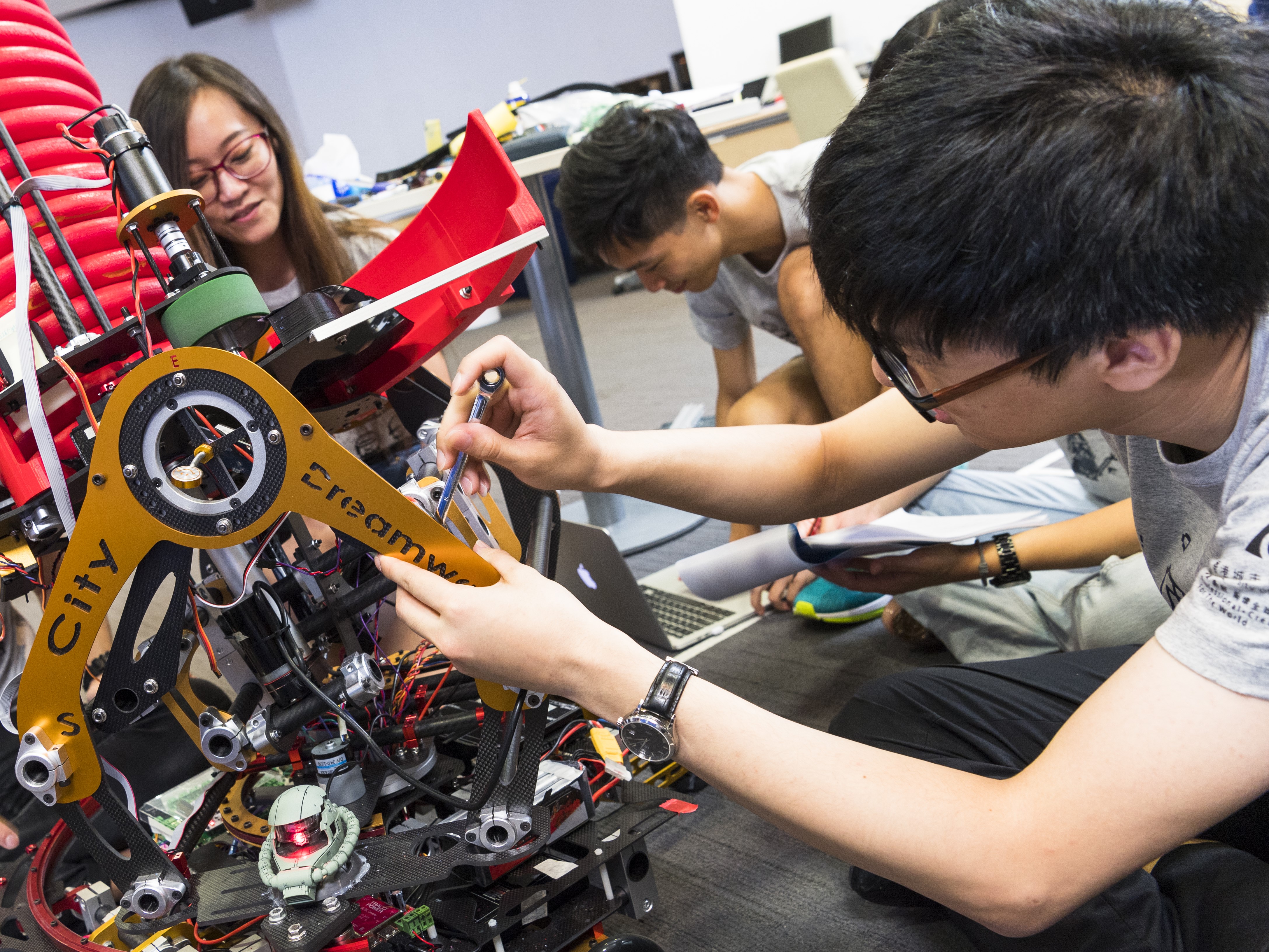
Are you captivated by the transformative power of data and artificial intelligence (AI)? The BEng in Computer and Data Engineering programme equips you with cutting-edge skills in AI, computer systems, and data-driven technologies, preparing you for a dynamic career in a world increasingly shaped by data.
This programme is designed for those passionate about:
Join a vibrant community of innovators at the forefront of the AI revolution, and unlock a world of opportunities with a degree tailored for the future of technology.
Entrance Requirements for Direct/Non-JUPAS Applicants
To be considered for admission, you must satisfy the General Entrance Requirements and have studied an engineering-related or a science-related discipline at a high school or post-secondary institution.
For senior-year (Advanced Standing II) admission, applicants are normally expected to have completed an Associate Degree/Higher Diploma with a cumulative grade point average (CGPA) of ≥3.0 or an equivalent overall mark, or a credit award in an engineering-related or science-related discipline.
For a detailed breakdown of the programme’s curriculum structure, please refer to the ‘Undergraduate Catalogue’.
The curriculum integrates theoretical foundations with hands-on experience, ensuring graduates are well-prepared for industry demands and further studies.
The BEng Computer and Data Engineering programme provides a robust foundation in computer systems, with a strong emphasis on data-driven technologies and AI. The curriculum covers:
Graduates will develop expertise in areas such as AI systems, data analytics, and computer vision, preparing them for diverse engineering roles, postgraduate studies, or lifelong learning in this fast-evolving field.
本專業課程為電子計算機及數據工程學奠定堅實基礎,涵蓋軟硬件設計、數據科學、機器學習和物聯網安全,培養學生在人工智能系統、數據分析和雲計算等領域的專業技能,為各種工程角色、研究生學習和終身學習做好準備。
Our comprehensive curriculum emphasizes data-driven technologies and AI, blending theoretical knowledge with practical applications. Key study areas include:
Core Courses include Engineering Mathematics, Programming, Data Structures, Machine Learning, and Operating Systems. In their final year, students can specialize in high-demand fields such as:
The programme emphasizes hands-on learning with cutting-edge technologies, including large language models and generative AI, ensuring graduates are ready to lead in the AI-driven future.
With rapid advancements in computer technology and data applications, graduates enjoy diverse career opportunities in:
Potential employers include leading tech companies, financial institutions, and government agencies, offering roles in software engineering, data science, AI development, and more.
Placement Schemes
The Department collaborates with industry to provide real-world experience through:
These opportunities ensure students gain practical skills and industry exposure before graduation.
International Exchange and Summer Exchange Programme
To boost global competitiveness, the Department has facilitated student exchanges with top universities in countries such as Australia, Canada, Germany, Japan, and the USA. Since 2015, approximately 380 students have participated in semester-long and summer exchange programmes, although opportunities were impacted by COVID-19 in certain years.
Student Learning Support Scheme
The Student Tutoring Scheme fosters a supportive learning environment. Outstanding senior students mentor first- and second-year students, promoting effective study habits and peer collaboration. This initiative has been highly successful in creating a positive learning community.
The Department of Electrical Engineering awards approximately 60 scholarships annually, totaling over HK$1 million, to recognize academic excellence and support student development. For details, visit the Scholarship Page.
CityUHK Electrical Engineering students consistently excel in international, regional, and local competitions, securing top awards in various academic and professional arenas. Learn more about their achievements on the EE Student Achievements Page.
The Department offers four majors: Computer and Data Engineering, Electronic and Electrical Engineering, Information Engineering, and Microelectronics Engineering. All established majors are accredited by the Hong Kong Institution of Engineers (HKIE), with the Microelectronics Engineering curriculum designed for accreditation in 2025.
Under the Washington Accord, graduates receive reciprocal recognition from equivalent bodies in countries including Australia, Bangladesh, Canada, China, Chinese Taipei, Costa Rica, Hong Kong-China, India, Indonesia, Ireland, Japan, Korea, Malaysia, Mexico, New Zealand, Pakistan, Peru, Philippines, Russia, Singapore, South Africa, Sri Lanka, Turkey, the UK and the US, enhancing global career mobility.
+852 3442 7971 (Phone)
+852 3442 0562 (Fax)
eebecde@cityu.edu.hk
Not Required
1205 (JS1205)
Local Places:
163(For First-Year Entry)*
Non-Local Places
(All CityUHK programmes except Mainland Gaokao):
Around 500
* for JUPAS and non-JUPAS admissions
Explore electronics, electrical systems, computing, artificial intelligence, and beyond. Design the world's future - from smart devices to groundbreaking applications. Join us to be a technology trailblazer! For more information, please click here.
JUPAS Entrance Requirements
| JS1205 Electrical Engineering (Majors: BEng Computer and Data Engineering / BEng Electronic and Electrical Engineering / BEng Information Engineering / BEng Microelectronics Engineering) | |
| HKDSE Subject | Minimum Level Required |
| English Language | Level 3 |
| Chinese Language | Level 3 |
| Mathematics | Level 3 |
| Citizenship and Social Development | Attained |
| Elective 1 | Level 3 in one elective subject from: - Biology - Chemistry - Information and Communication Technology - M1/M2 - Physics |
| Elective 2 | Level 3 |
Notes:
- Besides Category A elective subjects, Mathematics extended modules (M1/M2) and “other languages” (at grade E or above) can also be used to meet the elective requirement. If students take both M1 and M2, they are counted as one subject only.
- Applied Learning subjects are not counted as elective subjects.
- For details of the alternative Chinese Language qualifications acceptable by the University for Non-Chinese Speaking (NCS) students, please click here.
Direct/ Non-JUPAS Applicants Entrance Requirements
To be considered for admission, you must satisfy the General Entrance Requirements and have studied an engineering-related or a science-related discipline at a high school or post-secondary institution.
Applicants to this programme (admission code: 1205) will be considered for admission to first-year studies in the Department of Electrical Engineering. Students will enter a major of: (Computer and Data Engineering / Electronic and Electrical Engineering / Information Engineering / Microelectronics Engineering) by the end of Semester B.
For students admitted in Semester A, the top 40% of students# will have a free choice of majors offered by the Department. The other 60% of students will be allocated a major within the Department, subject to the availability of places and the selection criteria set by individual majors.
# based on CGPA with no failed grades, completion of at least 30 credit units including College/Department required courses and no academic dishonesty record for the year
Applicants seeking advanced standing entry can submit an application for the following programmes:
First-year Curriculum Requirement (31 credit units) | |||
Subject Area | Course Code | Course Title | Credit |
Gateway Education (12 credit units) | |||
English | GE1401 & GE2410 | University English (3CUs) English for Engineering (3CUs) | 6 |
OR | |||
LC0200A & LC0200B | English for Academic Purposes 1 & 2 (6CUs) | ||
College-specified | MA1200/ MA1300 | Calculus and Basic Linear Algebra I/ Enhanced Calculus and Linear Algebra I | 3 |
MA1201/ MA1301 | Calculus and Basic Linear Algebra II/ Enhanced Calculus and Linear Algebra II | 3 | |
| University specified GE course | GE1601 | Whole-Person Development | 1 |
College Requirements (6 credit units: Science subjects) | |||
Computer Science | CS1302 | Introduction to Computer Programming | 3 |
Physics | PHY1101 | Introductory Classical Mechanics | 3 |
Major Requirements (12 credit units) | |||
EE1001 & | Foundations of Digital Techniques | 3 | |
EE1002 & | Principles of Electrical Engineering | 3 | |
EE1004 & | Foundations of Information Systems and Data | 3 | |
GE1354 | Introduction to Electronic Design | 3 | |
CUs - credit units
In today’s interconnected world, technology is at the heart of how we live, work, and play. Whether you’re streaming your favorite show, navigating with GPS, chatting with friends across continents, or using AI-powered applications, electrical engineering is the driving force behind it all. From wired and wireless communication to cutting-edge innovations like artificial intelligence, renewable energy, and autonomous vehicles, electrical engineers are shaping the technologies that connect and improve our lives.
The Department of Electrical Engineering offers dynamic and future-ready programmes that equip students with the knowledge and skills to thrive in a fast-evolving, technology-driven world. Our majors are designed to ensure seamless functionality of technologies across continents, empowering students to contribute to transformative advancements in areas such as AI, robotics, circuit design, the Internet of Things (IoT), and 5G communications. Whether you aspire to design revolutionary hardware, develop intelligent systems, or create groundbreaking software, our programmes provide the expertise you need to succeed.
We offer four specialized majors that provide depth for mastering core technologies while offering the flexibility to explore diverse career paths. The first two years of study feature a common curriculum that builds a strong foundation in essential areas such as:
Mathematics and Physics: The building blocks of engineering problem-solving.
Electronics and Circuits: Understanding the principles behind modern devices.
Computer Programming: Developing the skills to design software and systems.
Information Technology: Exploring the technologies driving our digital world.
This foundational training prepares students for advanced courses in their third and final years, where they can specialize and apply their knowledge to real-world challenges.
The Department offers the majors:
Our strong partnerships with industry leaders ensure that our programmes remain relevant and practical, addressing the needs of Hong Kong and beyond. Through internships, collaborative projects, and exposure to cutting-edge technologies, students gain valuable hands-on experience and insights into the latest innovations. These connections not only enhance learning but also open pathways to exciting careers in fields like AI, smart cities, renewable energy, financial technology (FinTech), and telecommunications.
The BEng Computer and Data Engineering programme provides a robust foundation in computer systems, with a strong emphasis on data-driven technologies and AI. The curriculum covers:
Graduates will develop expertise in areas such as AI systems, data analytics, and computer vision, preparing them for diverse engineering roles, postgraduate studies, or lifelong learning in this fast-evolving field.
本專業課程為電子計算機及數據工程學奠定堅實基礎,涵蓋軟硬件設計、數據科學、機器學習和物聯網安全,培養學生在人工智能系統、數據分析和雲計算等領域的專業技能,為各種工程角色、研究生學習和終身學習做好準備。
The BEng Electronic and Electrical Engineering programme provides students with a solid education in advanced electronic and electrical technologies. Students will be exposed to the latest developments in:
1. Wireless communications & data technology
2. Microwave, terahertz & optical technologies
3. Photonic, electronic, & sensor devices
4. Smart control & electrical power systems
5. Bioelectronics & bioinformatics
Our programme will transform students into well-trained professional engineers, ready to thrive in a rapidly changing, knowledge-based economy. Throughout their training, students will be equipped with the skills, vision, and opportunities needed to advance in their career paths.
科技發展一日千里,隨著各類電子產品及機電建設的迅速發展,香港特區政府已將「第五代流動技術」和「智慧城市」定為其中兩個重點支持項目。本課程旨在為電子、通訊、機電及能源工程業培育專業工程師,學生將具備專業技術和視野,並能設計及應用不同電子、通訊、機電及能源系統,迎接新科技帶來的挑戰。內容主要教授電子及通訊科技知識,重點有(1) 無線通訊及數據技術;(2) 微波,太赫兹與光學科技;(3) 光電子及電子器件、感應器;(4) 智能管理及電機能源系統;及 (5) 生物電子及生物信息技術。
The BEng Information Engineering programme provides students a balanced understanding of the theory and applications of information engineering, which encompasses networking and communications, algorithms and optimization, cybersecurity, artificial intelligence, and signal processing. It offers all-round education, which nurtures independent thinking, creativity, and various soft skills. Upon completion of the major, graduates will be sufficiently prepared for further studies or employment in a wide range of economic sectors, mainly technology, but also business, banking, finance and trading in Hong Kong and the Asia-Pacific region.
資訊工程學工學士課程目標:培育專業資訊工程師,教授電腦及資訊科技知識,重點有網絡及通訊、算法及優化、網絡安全、人工智能、及訊號處理。
The BEng Microelectronics Engineering programme provides students with sound knowledge of the fundamental principles involved in the design and fabrication of integrated circuits (ICs), and a comprehensive understanding of electronics and information technologies. The curriculum includes application specific IC (ASIC) design for novel applications, nanotechnologies for high-performance devices and microsystems, new designs and materials for ICs, digital processor, system-on-chip, wireless and optical communications, and embedded system design. Upon completion of the major, students will be sufficiently prepared for employment in various sectors of the microelectronics and electronics industry, and well equipped with fundamental knowledge for pursuing postgraduate studies.
工學士(微電子工程學課程為學生提供有關集成電路(IC)設計和製造的基本原理,以及對電子和信息技術的全面理解。課程包括特定應用積體電路(ASIC) 設計、用於高性能設備和微系統的納米技術、用於IC的新設計和材料、數字電路處理器、單晶片系統、無線及光學通訊,以及嵌入式系統設計。完成專業後,學生將為微電子和電子行業各個領域的就業做好充分的準備,並具備攻讀研究生的基礎知識。
Placement Schemes
The Department collaborates with industry to provide real-world experience through:
These opportunities ensure students gain practical skills and industry exposure before graduation.
International Exchange and Summer Exchange Programme
To boost global competitiveness, the Department has facilitated student exchanges with top universities in countries such as Australia, Canada, Germany, Japan, and the USA. Since 2015, approximately 380 students have participated in semester-long and summer exchange programmes, although opportunities were impacted by COVID-19 in certain years.
Student Tutoring Scheme
The Student Tutoring Scheme fosters a supportive learning environment. Outstanding senior students mentor first- and second-year students, promoting effective study habits and peer collaboration. This initiative has been highly successful in creating a positive learning community.
The Department offers four majors: Computer and Data Engineering, Electronic and Electrical Engineering, Information Engineering, and Microelectronics Engineering. All established majors are accredited by the Hong Kong Institution of Engineers (HKIE), with the Microelectronics Engineering curriculum designed for accreditation in 2025.
Under the Washington Accord, graduates receive reciprocal recognition from equivalent bodies in countries including Australia, Bangladesh, Canada, China, Chinese Taipei, Costa Rica, Hong Kong-China, India, Indonesia, Ireland, Japan, Korea, Malaysia, Mexico, New Zealand, Pakistan, Peru, Philippines, Russia, Singapore, South Africa, Sri Lanka, Turkey, the UK and the US, enhancing global career mobility.
+852 3442 7740
+852 3442 0562
Not Required
On a selective basis
- Early July 2026
- Group interview
- English and Chinese
